Artful Connections: A Neuro-Affirming approach to self-care during the holiday season
Hi Beauty,
It’s hard to believe it’s already December and Chrissy-time is looming!
As a neurodivergent person, I have often found the festive season can feel both exciting and overwhelming. The holiday sentiment is meant to be about celebrating with loved ones, but in actuality, for many of us, the social engagement can also drain our energy battery (not to mention the bank account too!).
I’m learning when it comes to socialising, my capacity fluctuates, which means my needs do as well. So spending time ahead identifying people and environments that feel easeful, and which are more inherently challenging, enables me a bit of space to weave in some accommodations I may need for upcoming occasions.
Neuro-affirming Considerations for the festive season:
I’d like to pre-empt this list that unfortunately, not all people and event spaces are going to be open to neurodivergent accommodations 😪. If you do have family and friends who are accommodating, communicating your needs with them ahead of time can make all the difference in feeling supported to participate in the experiences. If not, there may be some accommodations you can put in place to help minimise harmful sensory or social interactions.
Although this list is not exhaustive, here are some ideas below for making neuro-affirming accommodations for festive events:
Pre-event information: Look up any event venues ahead of time to see if there are any potential whelm triggers, such as the lighting, seating, travel time, parking etc. Sometimes having information, and feeling prepared, can help us show up without stresses of unwelcome surprises. We can also have time to consider accommodations to bolster our capacity, or carve out time for some extra rest prior to an event.
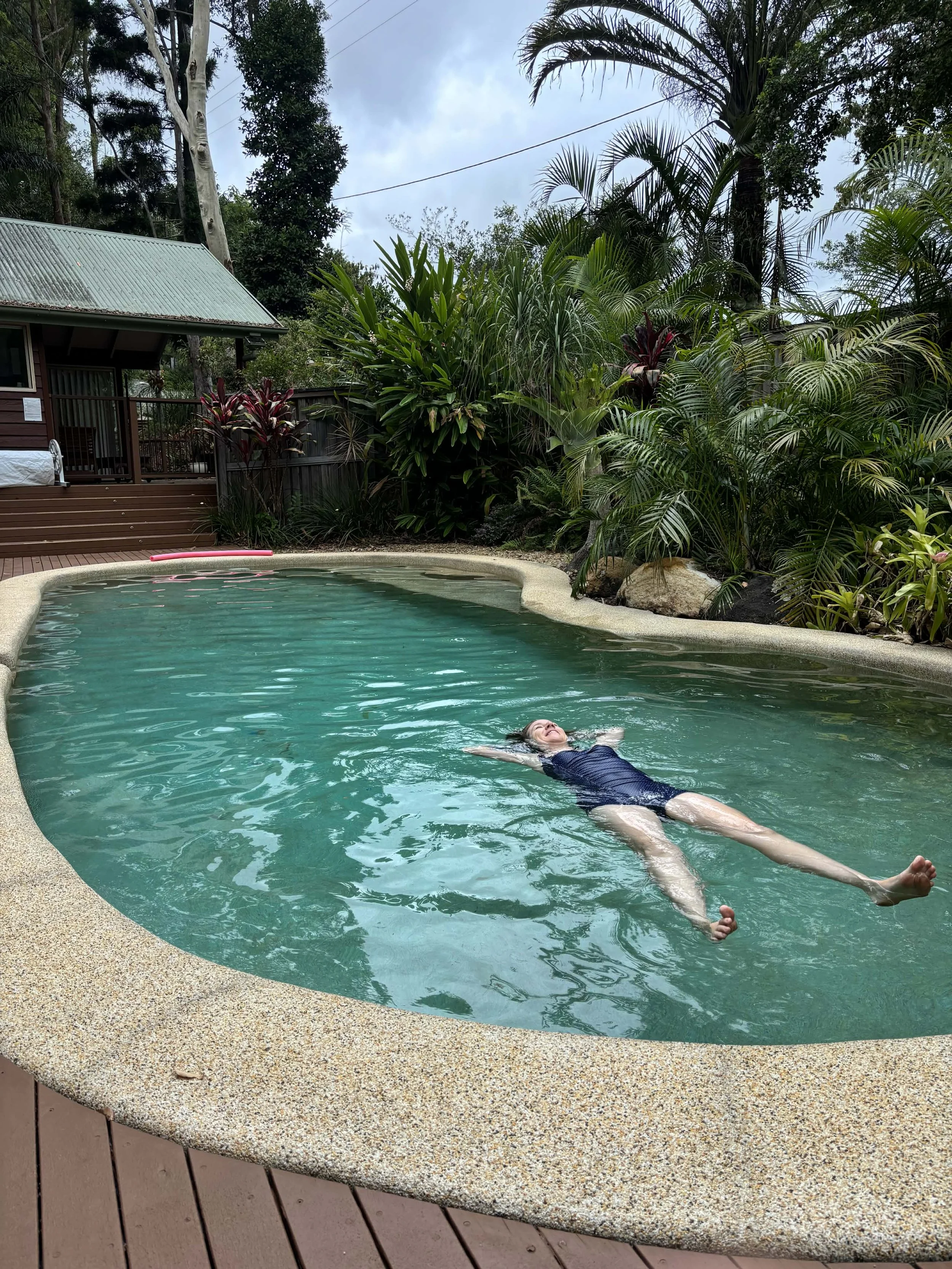
Participation expectations: Whether you’re attending a sit-down dinner or a relaxed and homely get-together for Christmas, understanding what’s expected can help us build in accommodations, in advance. If you’re going to a loud/busy lunch venue, can you bring ear plugs and organise to sit next to a ‘safe person’ during the event? If it’s a relaxed, but long family get-together can you let the family know you may need nap-time mid-way? If there is a pool, can you take a relaxed swim to refuel? If your family are not accommodating of these, can you let one safe person know ahead of a code-word/gesture that means - “Help, I need a break!”, so you can both sit somewhere quiet for a chat?
Venue considerations: If you are invited to attend an event you haven’t organised yourself, the pre-event (point #1) information can be helpful to make accommodations around a pre-determined venue. If you are involved in discussions for the event, can you make some suggestions that will be naturally neuro-affirming and inclusive, to benefit everyone? For example, small group seating, some fun games or activities to choose from across indoor and outdoors, even a sensory room or corner where people can relax and rest after a big meal. Neuro-affirming is often life affirming, so what’s good for you may also benefit others too. Get creative with ideas!
Sensory considerations: If you know there will be sensory triggers at an event, try to identify some accommodations to help, ahead of time. For example, if the lighting will be extra bright, can you wear some festive xmas glasses to help dim the light? If temperature or scent is an issue, can you adjust your seating so you’re closer to the air con or window? Can you bring any of your own safe foods to share (and label them if needed)? Can you wear super comfortable clothes, so your body feels safer and less-agitated? Are there any quiet spaces you can utilise, noise-cancelling earphones, or favourite fidget tools to help you feel more at ease?
Social activities: If attending an event over a period of time, ask what kind of activities will be available and consider bringing your own along to help guide and share social interactions within your comfort/interest zone. For example, BYO board game, set of watercolours and a few sheets of paper, LEGO, or a deck of cards, which could be a lovely way to connect in a small group or enjoy some quieter solo time. If you prefer open spaces, perhaps bring along some barefoot lawn bowls to share with the family. Maybe even bring along a gaming console and controllers, or some comic books for some quiet, low-key time. Again, having at least one safe person is helpful at events, so you can take a break together if need be, and socialise more gently. Also it’s absolutely ok to limit time with people you don’t gel with and politely excuse ourselves from draining conversations. Spending time with pets and nature can also help!
Time limits: If you know an event will likely overwhelm your capacity, plan a length of time to attend: for example, 2 hours. You may like to plan around a special shared time (e.g. gift giving time or a meal), or at a time of day when you are more likely to have energy (e.g. morning or evening). Limiting the time you spend in overwhelming situations is self-care, and the people who are most special to us need to understand that having limits is safe, needed and important for meaningful connection. If this is not possible, schedule short breaks away from the main gathering to recharge. And try to use your time wisely, spending with people and environments most conducive to your capacity.
Capacity education: Earlier this year when I was planning therapeutic art workshop offerings for each month of the year, I decided to create a nourishing space in December to co-explore the concept of capacity for the holidays, including how we can stay connected with our needs in social situations, and navigate this time with intentional self-care.
If you’d like to explore this concept with me, I have a neuro-affirming online therapeutic arts workshop coming up on 17 Dec called Circle of Connection. It’s a 1.5 hr workshop:
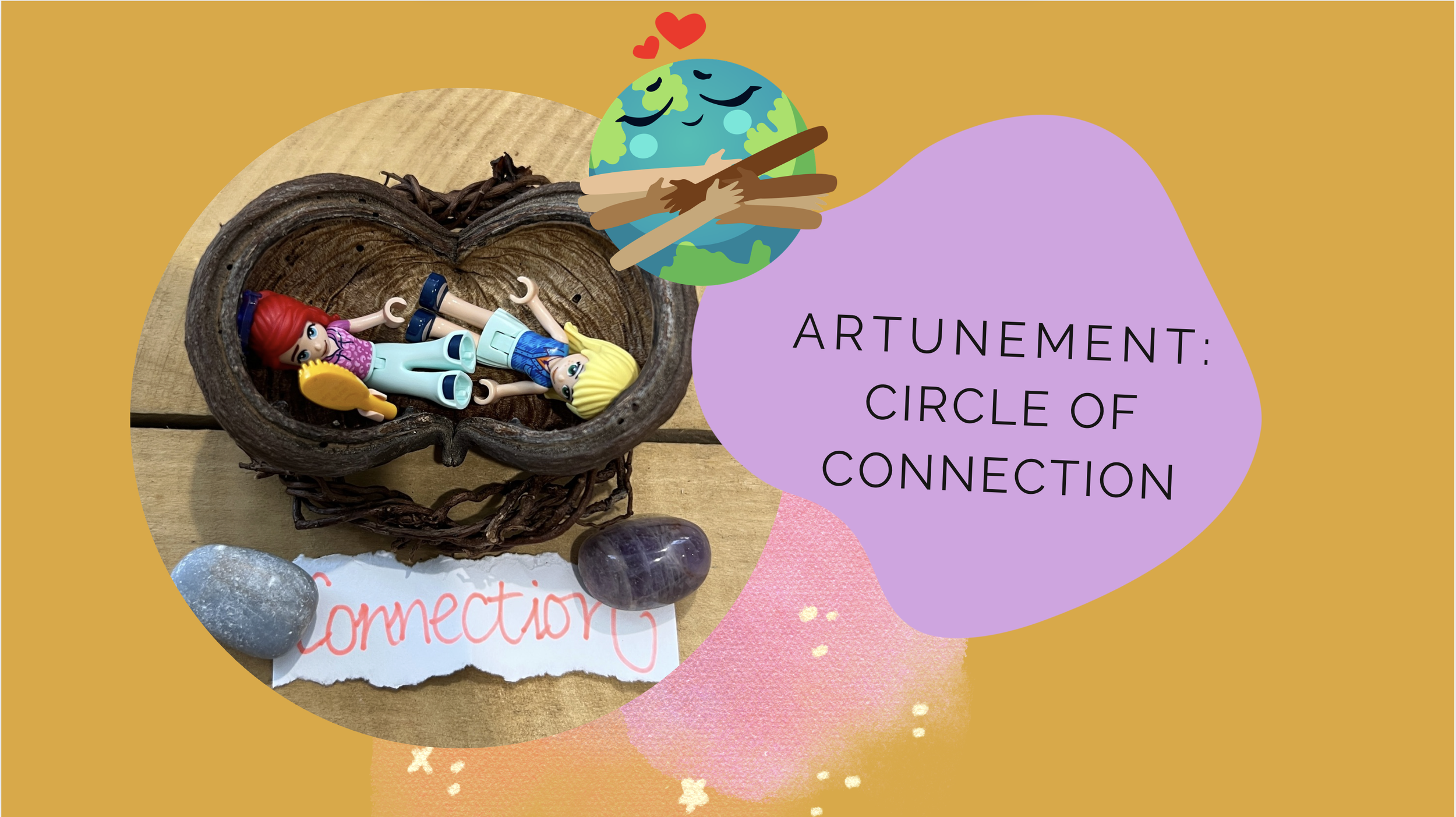
Delve into your unique needs for connection (especially during the festive season!) by creating therapeutic art that identifies and fosters both self-care and belonging. Social engagements can be both exciting and overwhelming for us neurodivergent folk! This workshop will bring us home to our inner centre and remind us ways to navigate our connections within our circle of capacity.
I’d love to see you there, so we can set the bar for a festive event that feels inclusive, creative and neuro-affirming.